

From bulk to bottle: mastering the sourcing of supermarket wines without compromising on quality or price
Large retailers are now one of the most strategic channels for wine producers. Their ability to generate significant volumes, their influence on purchasing behaviour and their constant demands make them an essential but complex market. For a wine merchant and bottler, success in supermarkets depends on complete control over the sourcing of bulk wines and their transformation into finished products. This control directly determines the consistency, competitiveness and performance of the ranges on the shelves.
A demanding supermarket market, between consistency and competitiveness
High expectations for consistency
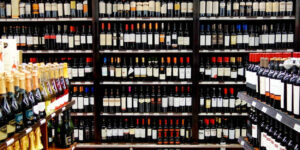
In mass retail, product consistency is essential. Consumers expect to find the same aromatic profile, balance and perceived quality from one bottle to the next. Any variation can undermine confidence in a product. Bulk sourcing perfectly meets this requirement, as it allows wines to be selected, adjusted and blended to ensure consistency throughout the year, regardless of the vagaries of the vintage.
Constant but controlled price pressure
Price competitiveness is at the heart of supermarket challenges. Volumes must be available, prices consistent and profitability maintained. However, quality cannot be sacrificed. By treating bulk wine as a strategic raw material, it is possible to optimise costs through rigorous selection, careful market analysis and securing volumes at the right time, while maintaining a consistent level of quality.
Constantly evolving quality requirements
Retailers are no longer satisfied with simply good value for money. They expect wines that are reliable, stable, technically mastered and compliant with increasingly precise specifications, including traceability and aromatic typicity. Sourcing must therefore take these constraints into account upstream, drawing on field expertise and analytical tools capable of guiding choices towards the wines best suited to each segment.
Building effective sourcing through knowledge of regions and producers
Identifying the strengths of each wine-growing region
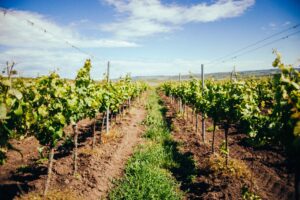
Effective sourcing relies on a thorough knowledge of production areas. Each region has specific characteristics in terms of style, volume and competitiveness. Languedoc and the Rhône Valley offer consistent and accessible wines, Bordeaux’s s a wide range suitable for supermarket reds and rosés, while the Loire and Provence meet current expectations for rosés. Spain and Italy usefully complement the offering with competitive international profiles. This diversity makes it possible to build balanced and consistent ranges.
Relying on long-term partnerships
Beyond the regions, the quality of sourcing depends on the relationship with producers. Collaboration based on trust, transparency and regular exchanges is essential. Tasting from the vat, monitoring the winemaking process and understanding each party’s constraints make it possible to secure volumes and anticipate the adjustments needed to meet supermarket expectations.
From bulk to bottle: a controlled process dedicated to quality
Quality control as a pillar of the process
Each wine sourced is subjected to rigorous analysis before being incorporated into production. These checks verify the conformity of the batches and their stability over time. Combined with expert tasting, this approach guarantees perfect control of the transition from bulk to finished product.
Blending, the key to consistency
Blending creates a stable and recognisable taste signature. It adjusts aromatic profiles, corrects imbalances and ensures consistency between bottlings. For supermarkets, this is a key factor in offering consumers a consistent experience.
Stabilisation and filtration
Before bottling, the wine must be stabilised and filtered to ensure its clarity, balance and ageing potential. The rigour applied to these stages directly determines the reliability of the final product offered to retailers.
Packaging, a strategic lever for supermarkets
Formats adapted to uses
The 75 cl bottle remains the benchmark, but Bag-in-Box continues to grow in popularity thanks to its practicality. Lightweight packaging and screw caps also meet new consumer expectations. Supporting retailers in their choice of formats is a key factor in commercial performance.
Smooth and responsive logistics

Success in supermarkets also depends on the ability to ensure constant product availability. Rigorous stock management, controlled lead times and optimised logistics guarantee deliveries that meet the requirements of central purchasing organisations.
Integration of CSR issues
Environmental criteria now play a central role in purchasing decisions. Reduced packaging, optimised flows and certifications such as HVE or Bio have become essential. Integrating them from the sourcing stage onwards strengthens the competitiveness and credibility of offers.
Building a lasting relationship with supermarkets
Transparency and responsiveness
The relationship with retailers is based on availability, the ability to provide solutions and adapt to market developments. Ongoing dialogue with teams is essential to building a solid and lasting partnership.
Anticipating trends
Organic wines, pale rosés, alcohol-free wines and smaller formats illustrate the rapid evolution of consumer expectations. Controlled sourcing makes it possible to anticipate these trends and offer relevant innovations.
Mastering the transition from bulk to bottle means mastering the entire value chain for wine destined for supermarkets. At Maison Duprat, this approach is based on proven sourcing expertise, recognised technical know-how and constant high standards at every stage of the process. This comprehensive expertise enables us to provide long-term support to large retailers by offering them consistent, competitive finished products that are perfectly aligned with current market challenges. Would you like to work with us? Contact our teams to discuss your project.
FAQ – Sourcing and wines for large retailers
What is bulk wine sourcing for supermarkets?
It involves selecting and purchasing bulk wine from producers in order to blend, stabilise and package it into finished products for large retailers.
Why is bulk wine suitable for supermarkets?
Bulk wine ensures large volumes, consistent aromatic profiles and better cost control, while complying with retailers’ specifications.
How can the quality of wine intended for supermarkets be guaranteed?
Quality is based on rigorous analysis, regular tastings, controlled blending and appropriate stabilisation steps before bottling.
What is the role of the wine merchant-bottler in supermarkets?
They act as a link between producers and distributors by transforming bulk wine into reliable, consistent finished products that meet the commercial and quality requirements of retailers.
What formats are most in demand in supermarkets?
The 75 cl bottle remains the most popular, but bag-in-box, lightweight bottles and screw caps are experiencing continuous growth.